The 2026 collecting landscape is built around two powerful themes: America’s 250th anniversary and the growing demand for distinctive, story-rich jewelry. For collectors, resellers, and first-time bidders, the opportunity is clear: learn how to evaluate condition, authenticity, scarcity, and presentation before placing a bid.
This installment of the Auction Expertise & SEO Growth Series focuses on 2026 Silver Eagle Coins, US Mint 250th Anniversary Coins, patriotic memorabilia, and the practical clues that can reveal potential value in estate jewelry.
Why 2026 Silver Eagle Coins Matter
The 2026 American Silver Eagle is one of the most significant modern issues in the series. The American Eagle program began in 1986, making 2026 its 40th anniversary. The year also marks 250 years since the Declaration of Independence, creating an unusual overlap of national and series history.
Published program details identify several features that make the 2026 issues especially collectible:
- A dual date recognizing 1776 and 2026
- A Liberty Bell “250” privy mark
- One troy ounce of .999 fine silver on standard silver issues
- The familiar Walking Liberty obverse by Adolph A. Weinman
- The Type 2 eagle reverse introduced during the modern era of the series
- Bullion, proof, and enhanced uncirculated formats
Collectors should distinguish between an official U.S. Mint American Silver Eagle, a privately issued commemorative round, and a novelty or replica coin. Similar patriotic designs can appear across all three categories, but their legal status, precious-metal content, mint documentation, and secondary-market demand may differ sharply.
The U.S. Mint American Eagle program is a useful reference for understanding the series’ official design history. For anniversary-related releases, consult the Mint’s Semiquincentennial program information and compare it with the seller’s description before bidding.
The History Behind US Mint 250th Anniversary Coins
“Semiquincentennial” is the formal term for a 250th anniversary. In 2026, the term connects modern commemorative coins and memorabilia to the founding-era date of 1776.
That historical connection gives anniversary pieces a strong collecting narrative. A coin may appeal because of its metal content, but it can become more desirable when it also represents a major national milestone. This is why US Mint 250th anniversary coins are attracting attention from traditional numismatists, history enthusiasts, gift buyers, and resellers.
A disciplined collector should record:
- The issuing authority or mint
- The coin’s metal content and weight
- Mintage or production limit
- Finish, such as bullion, proof, or enhanced uncirculated
- Packaging, certificate, and original presentation
- Certification details, if professionally graded
- Purchase price and comparable sales
A low mintage alone does not guarantee a high resale value. Demand, condition, design quality, authenticity, and market timing also influence collectability. The coin world rewards documentation: not wishful thinking wearing a fancy capsule.
Collector Grading Guide: MS, PF, PR, and the 70-Point Scale
Grading is the fresh focus for serious 2026 collectors. A grade communicates a coin’s condition, but it does not replace careful research.
Most modern coins use the Sheldon 1–70 grading scale:
- MS, or Mint State, generally describes an uncirculated business-strike coin.
- PF or PR, meaning proof, describes a specially struck collector coin with polished fields and frosted design elements.
- MS69 or PF69 indicates a nearly flawless example with minor imperfections visible under magnification.
- MS70, PF70, or PR70 represents a coin judged perfect within the grading service’s standards.
- Ultra Cameo or Deep Cameo describes strong contrast between frosted devices and mirrored proof fields.
Third-party certification can provide useful protection because the coin is examined, graded, and sealed in a tamper-evident holder. However, certification is not a guarantee of future profit. A PF69 example may offer better value than a PF70 if the price difference is large and the visual difference is negligible.
Special labels such as “First Day of Issue,” “Early Releases,” or “America 250” can appeal to collectors, but they should be treated as secondary attributes. The numeric grade, coin type, mintage, authenticity, and overall eye appeal remain the central considerations.
A Practical Coin Inspection Checklist
Before bidding on a commemorative coin, examine:
- Surface: Look for hairlines, scratches, spots, haze, or fingerprints.
- Strike: Check whether design details appear sharp and complete.
- Luster: Natural brilliance can support visual appeal; dull or cloudy surfaces may require closer review.
- Edge: Inspect reeding, lettering, or unusual marks for inconsistencies.
- Packaging: Original boxes, certificates, and capsules may support collectability.
- Description: Confirm whether the item is an official issue, replica, round, token, or challenge coin.
- Images: Look for clear photographs of both sides and the edge when relevant.
Never clean a collectible coin. Polishing can remove original surfaces and reduce desirability. Handle valuable coins by their edges and store them in inert holders away from humidity, heat, and harsh chemicals.
Finding Value in Estate Jewelry
Estate jewelry does not automatically mean antique. The term usually describes previously owned jewelry, whether vintage, antique, modern, signed, or inherited. Potential value often comes from the combination of materials, craftsmanship, design, maker, condition, and history.
Rings
For estate rings, begin with the inside of the band. Look for hallmarks such as 10K, 14K, 18K, 925, or platinum indicators. A maker’s mark can be more important than a decorative appearance, particularly when it connects the ring to a recognized designer or manufacturer.
Inspect the setting closely:
- Are prongs intact and evenly placed?
- Does the stone move when gently tested?
- Is the band thin from wear?
- Are there visible repairs, sizing seams, or replacement stones?
- Does the stone match the listing description?
A large stone is not automatically a valuable stone. Synthetic zirconia, glass, synthetic sapphire, and laboratory-created stones can be attractive while carrying very different market values from natural gemstones.
Brooches
Brooches reward close attention to construction. Examine the clasp, hinge, pin stem, plating, stones, and back. A secure clasp and well-preserved finish are practical positives. Maker marks, signed backs, unusual motifs, and period-appropriate construction can increase collector interest.
A brooch may also have value as wearable design history. Floral, butterfly, swan, and patriotic motifs remain popular because they combine visual character with easy display and gifting potential. Compare a brooch’s front and back photographs rather than judging it from the sparkle alone.

Necklaces
For necklaces, identify the metal, length, clasp style, pendant, chain construction, and condition. Check for broken links, stretched sections, worn plating, or mismatched components. A stamped metal mark near the clasp can provide useful information, but marks should not be treated as conclusive proof without professional testing.
Design matters for resale. Classic chains, signed pendants, sterling silver pieces, and distinctive motifs may appeal to different buyer groups. Resellers should photograph the clasp, hallmark, pendant front, pendant back, and chain length to create a reliable listing.
The S925 Sterling Silver Bracelet and Beautiful Butterfly Brooch Pin illustrate how material descriptions and design identity help shoppers evaluate auction jewelry. Always review the current listing details because inventory, condition, and auction timing change.

American Heritage Collectibles Auction Strategy
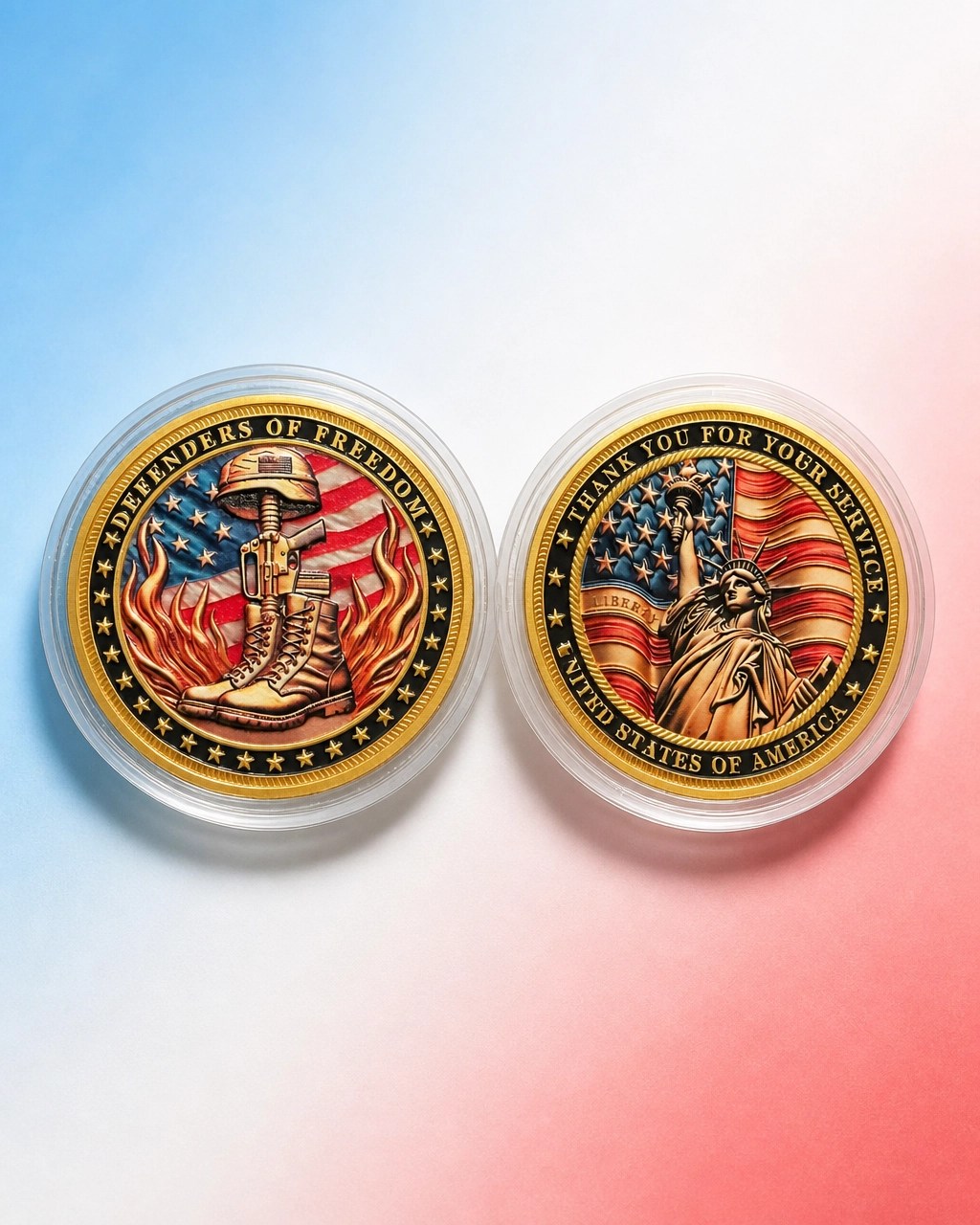
An American heritage collectibles auction can include official coins, patriotic challenge coins, historical tokens, military memorabilia, medals, flags, books, and other objects connected to national identity. The category is broad, so classification matters.
Ask these questions before bidding:
- Is the item officially issued or privately manufactured?
- Does it have a date, mint, serial number, or edition size?
- Is the original packaging included?
- Does the item have documented provenance?
- Is the condition consistent with its age?
- Are the inscriptions and images clearly shown?
- Is the starting bid appropriate for the item’s materials and market?
Our online inventory can include both traditional collectibles and accessible pieces with strong display or gift appeal. For example, a 250th Anniversary of the United States Coin appeared with a $5 starting bid and a new-item condition description. That type of listing may suit a beginning collector, themed gift buyer, or reseller testing demand.
The Reseller Advantage: One Shipping Rate, More Opportunity
Shipping can affect resale margins, especially when a reseller purchases several smaller items. Jewelry and More Auctions charges a $7 flat-rate shipping fee for all auctions, regardless of the number of items purchased. Every order also includes a free gift.
That structure allows resellers to combine coins, brooches, rings, necklaces, and memorabilia without calculating a separate shipping charge for each item. A simple margin worksheet should include:
- Winning bid
- Buyer’s premium or applicable fees
- $7 shipping
- Packaging or platform expenses
- Expected resale price
- Actual profit after all costs
Do not bid solely because the starting price looks low. Bid when the item’s likely resale value, condition, audience, and total acquisition cost work together.
How to Buy Collectible Coins Online With Confidence
To buy collectible coins online, use a repeatable process:
- Start with the item description and category.
- Confirm whether the piece is official, replica, commemorative, or novelty.
- Review all available photos.
- Research the year, mintage, metal, and grading terminology.
- Set a maximum bid before the auction becomes competitive.
- Include the $7 flat shipping fee in your calculation.
- Save the invoice, description, photographs, and certification information.
For a transparent bidding environment that also supports charitable causes, visit the live auctions at Jewelry and More Auctions. You can also visit the Jewelry and More Auctions homepage to explore company information, charity initiatives, and available resources.
A strong collection is not built by chasing every shiny object. It is built by understanding what you are buying, documenting why it matters, and setting a price that makes sense before the countdown begins.
Social Media Hooks
The 2026 collector’s checklist is here. Learn how to evaluate Silver Eagles, patriotic coins, grading, and estate jewelry before you bid. Explore the live auctions.
PF69 or PF70? Antique or simply pre-owned? Get the practical answers in our latest collector’s guide: and remember, every order ships for just $7 and includes a free gift.
Build a smarter collection around America 250 memorabilia, distinctive jewelry, and resale-ready finds. Read the guide, set your maximum bid, and start browsing Jewelry and More Auctions.